
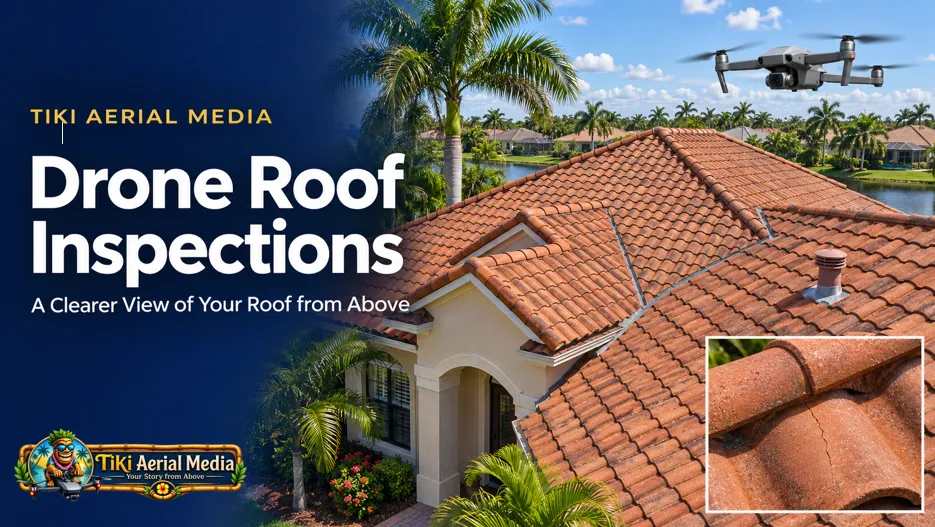
How Drone Roof Inspections Save You Time and Money
Your roof is the most important element on your home to protect you from the weather. Yet, for most homeowners, the roof is the most misunderstood part of their home. Traditional methods to inspect a roof involve dragging a ladder to the property, climbing the roof, and risking injury on a steep, slippery surface. This process can be very dangerous, slow, and can yield limited results.
We take the mystery out of roof inspections. In just a fraction of the time, our professional drone pilots can take detailed photos of every single slope, valley, and penetration on your roof. This provides homeowners, real estate agents, and insurance adjusters with more information in a shorter amount of time than ever before.
The Problems with Traditional Roof Inspections
Safety Risks
Most of the construction related serious injuries and deaths occur from falls from roofs. Many of these falls occur from steep sloped roofs. The roof can be very hot from the intense Florida sun. There can be wet surfaces on the roof. There can be loose granules on the roof. Some roofs are made of tiles that can crack underfoot. There are many hazards on a roof and even the most experienced roofers take risks when they are on the roof.
Limited Perspective
The perspective of someone on the roof is often limited. He can look down the side of the roof where he is standing but is unable to see the other side. He is unable to see the top of the ridge and other areas such as around chimneys and skylights. On multi-level roofs or complex rooflines there are areas that cannot be seen from any vantage point on the roof.
Time and Scheduling
First, a ladder must be set up, then the inspector must safely position the ladder and then proceed to inspect the roof slowly and carefully. If the weather is bad, the appointment must be rescheduled. If the roof is very steep or fragile, then additional equipment and people may be required to complete the inspection. All of this costs time and money before even one picture can be taken.
The Advantages of a Drone Roof Inspection
Complete Coverage in Minutes
For a typical single-family home, the drone can cover the entire roof in roughly 15 to 20 minutes of flight time. This includes systematic coverage of all the roof slopes, plus close-up coverage of areas of interest on the roof.
High-Resolution Images of Every Square Foot
The cameras of today’s inspection drones take high-resolution images of the entire roof. All these images can be stitched together to create an aerial map of the roof. This map can then be used by the homeowner and the insurance adjuster to create a complete and organized report of the roof.
Zoom In Without Physical Access
Need a closer look at a cracked tile near the ridge or a suspicious area around a vent? The drone can hover just above it and capture detailed images from multiple angles. Optical zoom on many professional drones adds even more detail without flying closer.
No Foot Traffic Damage
Most damage to roofs is caused by people walking on them. Walking on a roof can cause cracked tiles, loose granules, or scuff up the shingles. An aerial roof survey is completely non-invasive. Nothing ever touches the roof, therefore, the survey will never cause any damage to the roof.
What a Drone Roof Inspection Reveals
A well-executed aerial roof survey provides clear images of issues that are important to determine for potential repair of the roof.
• Missing, cracked or lifted shingles and tiles, often the first signs of wind damage or aging
• Damaged flashing and/or sealant failures at chimneys, skylights, vents, etc. as well as roof-to-wall transitions.
• Gutter condition and debris accumulation that can cause water to back up under roofing materials or damage fascia
• Storm damage documentation, including displaced coverings, impact marks and debris, captured with dated imagery for insurance purposes
This is where thermal imaging can be of extreme value on larger, lower slope roofs to determine where there is trapped moisture that is not visible in standard photos.
Why It Matters for Insurance and Real Estate
Roof condition is a big factor in most of the coastal states including Florida. The age of the roof, the condition of the roof can affect the homeowner’s eligibility for coverage as well as the price of coverage. It can also affect the outcome of a claim. It is in the homeowner’s best interest to have as complete an understanding of the condition of their roof as possible.
For insurance adjusters, drone imagery speeds up claim review. This is especially true after major storms when demand for roof inspections is very high and there are many unsafe roofs to inspect. For real estate agents, a pre-listing drone roof survey can reveal problems with the roof that may need to be addressed before listing the home for sale. This can also help to set a proper price for the home and give buyers confidence that the roof is in good condition before the inspection period even begins.
Every commercial drone inspection must be flown by an FAA Part 107 certified remote pilot with any required airspace authorization. Please verify the pilot’s credentials and insurance coverage prior to scheduling an inspection.
The Smarter Way to Inspect Your Roof
A drone roof inspection is far faster and safer than a traditional ladder inspection. Not only can an entire roof be covered in minutes but also images can be taken in high resolution to document any problems found. All of this can be done without any risk of injury to the inspector or damage to the roof. Whether you are a homeowner, real estate agent, or insurance adjuster, an aerial roof survey will provide all of the information you need without any of the guess work.
Schedule your drone roof inspection with TiKi Aerial Media today and get a complete, high-resolution view of your roof from above.
TiKi Aerial Media - Your View from Above
(941) 500-4272 / [email protected] / book.tikiaerialmedia.com